Blast Beats and Box Jumps: What 200 BPM Does to Your Sprint
We asked coaches and athletes whether extreme tempos help or hurt explosive training. The answers were louder than expected.
Ask any strength coach about training music and you will hear a lot of opinions and very little agreement. Some want high tempo for everything. Others ban headphones entirely.
We talked to three coaches and a dozen athletes about the fastest music they train to, and how it changes the way they move.
Fast Is Not Everything
The consensus: extreme tempo helps with short, explosive work like box jumps, sprints and med ball throws. It gets in the way during heavy, slow lifts where timing and bracing matter more than speed.
Blast beats for the jumps. Doom for the squats. That is the whole program.
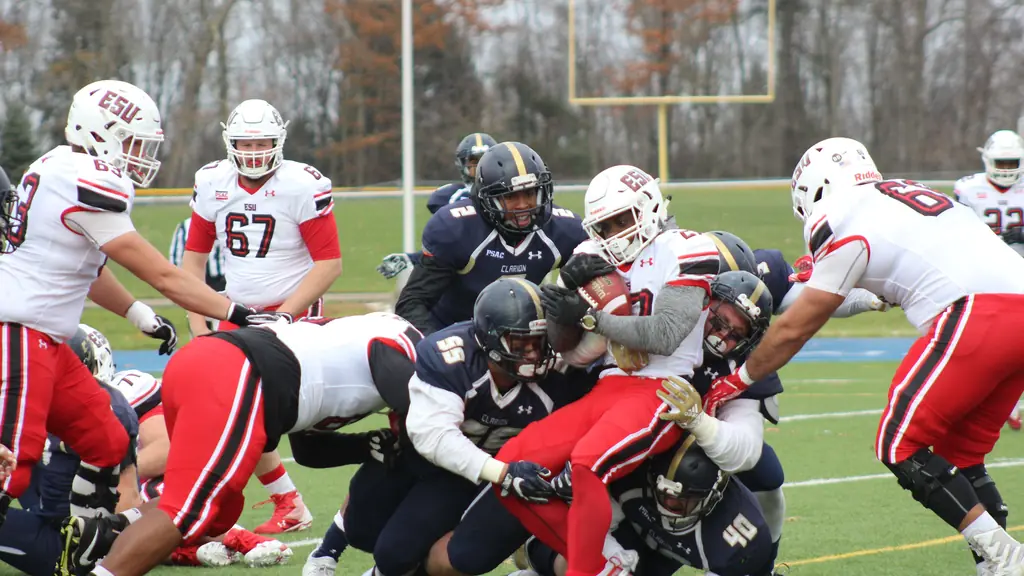
Strength coach, college football program
Several athletes said the real benefit was mental rather than physical: a fast song signals that it is time to move, and the body follows.